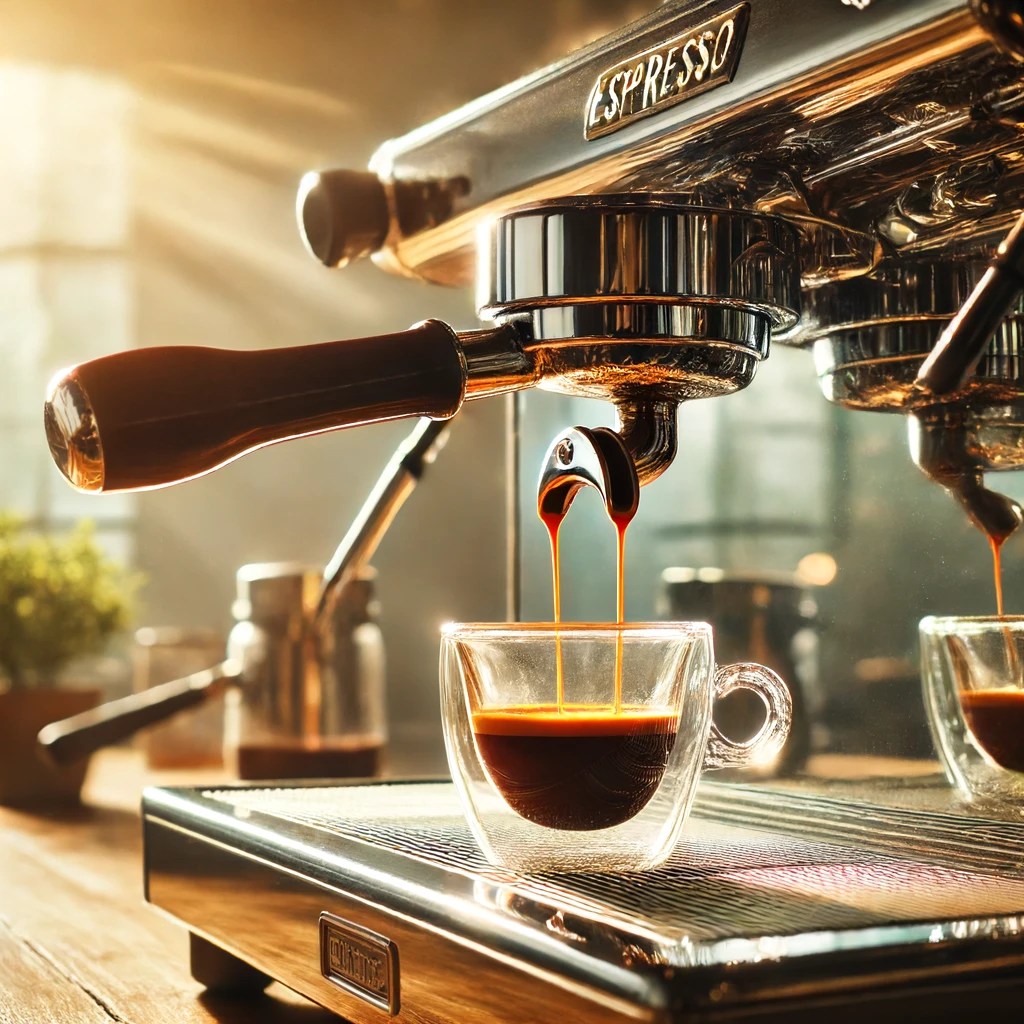
Creating the perfect espresso is both an art and a science. Each element of extraction listed below can vary depending on the type of coffee beans (such as variety, roasting level, and sometimes origin). Whether you work at a café or are a home barista, learning and consistently practicing with your own specific settings will help you understand how to adjust various factors to achieve the perfect extraction. Join me as I learn how to adjust the various factors involved in espresso extraction to achieve that rich, balanced shot we all crave.
Grind Size
First, let’s talk about grind size. This is fundamental to espresso extraction because it determines how quickly water flows through the coffee grounds, affecting the flavor and strength of your espresso. A finer grind increases resistance, slowing down the water flow and extracting more flavor. Conversely, a coarser grind allows water to pass through more quickly, resulting in a weaker shot.
How to Adjust:
We’ll start with a fine grind and observe the extraction time. If our shot pulls too quickly (under 25 seconds), we’ll make the grind finer. If it’s too slow (over 30 seconds), we’ll coarsen the grind slightly. Adjusting in small increments, we’ll find the sweet spot together.
Dosing Amount
Next, let’s look at the dose – the amount of coffee we use. This plays a crucial role because more coffee can lead to a stronger, more intense espresso, while less coffee will make a milder shot.
How to Adjust:
We’ll begin with the standard dose of 18-20 grams for a double shot. If our espresso tastes weak, we can increase the dose by a gram or two. If it’s too strong or bitter, we’ll reduce the dose slightly. Together, we’ll find the perfect balance.
Tamping Pressure
Tamping compacts the coffee grounds into a puck through which the water is forced. The pressure applied during tamping affects how evenly the water flows through the coffee.
How to Adjust:
We should aim for consistent, firm pressure – around 30 pounds of force. Using a tamper, we’ll press down evenly. Inconsistent or light tamping can cause channeling, where water finds weak spots and flows unevenly, leading to poor extraction. Let’s practice this together until we get it just right.
Water Temperature
The temperature of the water used in extraction impacts the solubility of the coffee’s compounds. Water that is too hot can over-extract, making the espresso bitter. Too cool, and it will under-extract, leading to sourness.
How to Adjust:
We’ll set our espresso machine to a temperature between 195°F and 205°F (90°C and 96°C). By experimenting within this range, we’ll discover the temperature that brings out the best flavors in our coffee.
Extraction Time
The total time it takes to pull a shot is a composite measure affected by the grind size, dose, and tamping pressure. Ideally, a shot should take between 25 and 30 seconds to extract.
How to Adjust:
If our shot takes less than 25 seconds, we’ll try a finer grind or more coffee. If it takes longer than 30 seconds, we’ll use a coarser grind or less coffee. The goal is a balanced extraction within this timeframe, and we’ll tweak until we achieve it.
Water Pressure
Espresso machines typically use around 9 bars of pressure to force water through the coffee grounds. Consistent pressure ensures uniform extraction.
How to Adjust:
We’ll ensure our machine is properly calibrated to maintain around 9 bars of pressure. If our machine allows for manual adjustments, we’ll monitor and tweak the pressure as needed.
Other Influential Factors
While the above factors are crucial, several other elements can also impact the quality of your espresso.
Water Quality
The quality of the water used in espresso making significantly affects the final taste. Water that is too hard can lead to scale buildup in the machine, while water that is too soft might not extract the coffee properly.
Machine Temperature Stability
Consistency in temperature is key to a perfect espresso shot. Machines that fluctuate in temperature can cause inconsistencies in extraction.
Coffee Freshness / Roasting Level
The freshness of the coffee and the level of roast greatly influence the flavor profile of the espresso. Freshly roasted coffee within the right window of degassing provides the best flavor.
It’s important to adjust these extraction factors one at a time while observing the changes. Adjusting multiple factors simultaneously can make it difficult to determine which change impacted the extraction.
Perfecting the espresso shot is a captivating blend of art and science. By meticulously fine-tuning factors like grind size, dose, and temperature, you can transform your espresso experience. Embrace the process, exercise patience, and adjust settings to suit different coffee types. Dive into the rich aromas, complex flavors, and silky crema of a well-crafted espresso. Let’s embark on this exciting journey of mastering espresso extraction together, savoring every step toward coffee perfection.
 Stick to Coffee
Leave a comment